


Every roundup of FL Studio alternatives says the same thing about what you lose. FL Studio gives you free updates for life, so leaving means giving that up.
It is half true. Image-Line's lifetime free updates policy is real, it covers every edition, and FL Studio 2026 shipped free to everyone who already owned a copy.
But Logic Pro also gives free major updates, for $199.99 once. Reaper gives free updates through version 8.99, for $60. Two of the alternatives sitting on those same lists match the deal, and I have not found a single article that says so.
So the comparison most people are making is wrong at the premise. Here is what it looks like corrected, plus a free DAW that half these lists still recommend despite it no longer existing.
A quick note on terms before I start. Every product here is a digital audio workstation, or DAW, meaning the music production software you record, sequence and mix inside. When people search for alternatives to FL Studio, FL Studio competitors, a DAW like FL Studio, or an FL Studio replacement, this is the category they all mean.
What you actually give up by leaving
I want to be precise about this, because by my reckoning two of the three things are real advantages and the third is oversold.
Lifetime free updates. Confirmed on Image-Line's own product page. Buy an edition once and every new instrument, effect and update for that edition is included, permanently. Real, and genuinely generous.
One licence, both platforms. The same page states that one licence covers Windows and macOS, including Apple Silicon machines, and that you can move between them keeping your licence and projects. This one is underrated. Logic Pro is macOS only. If you work across both, FL Studio solves a problem most rivals do not.
The pattern-based workflow. The step sequencer and pattern approach is how a lot of producers learned to make music, and nothing else works quite the same way. In my view this is the one that actually makes people come back.
What is not unique is the update policy on its own, which brings us to the chart.
Three DAWs match the free updates deal
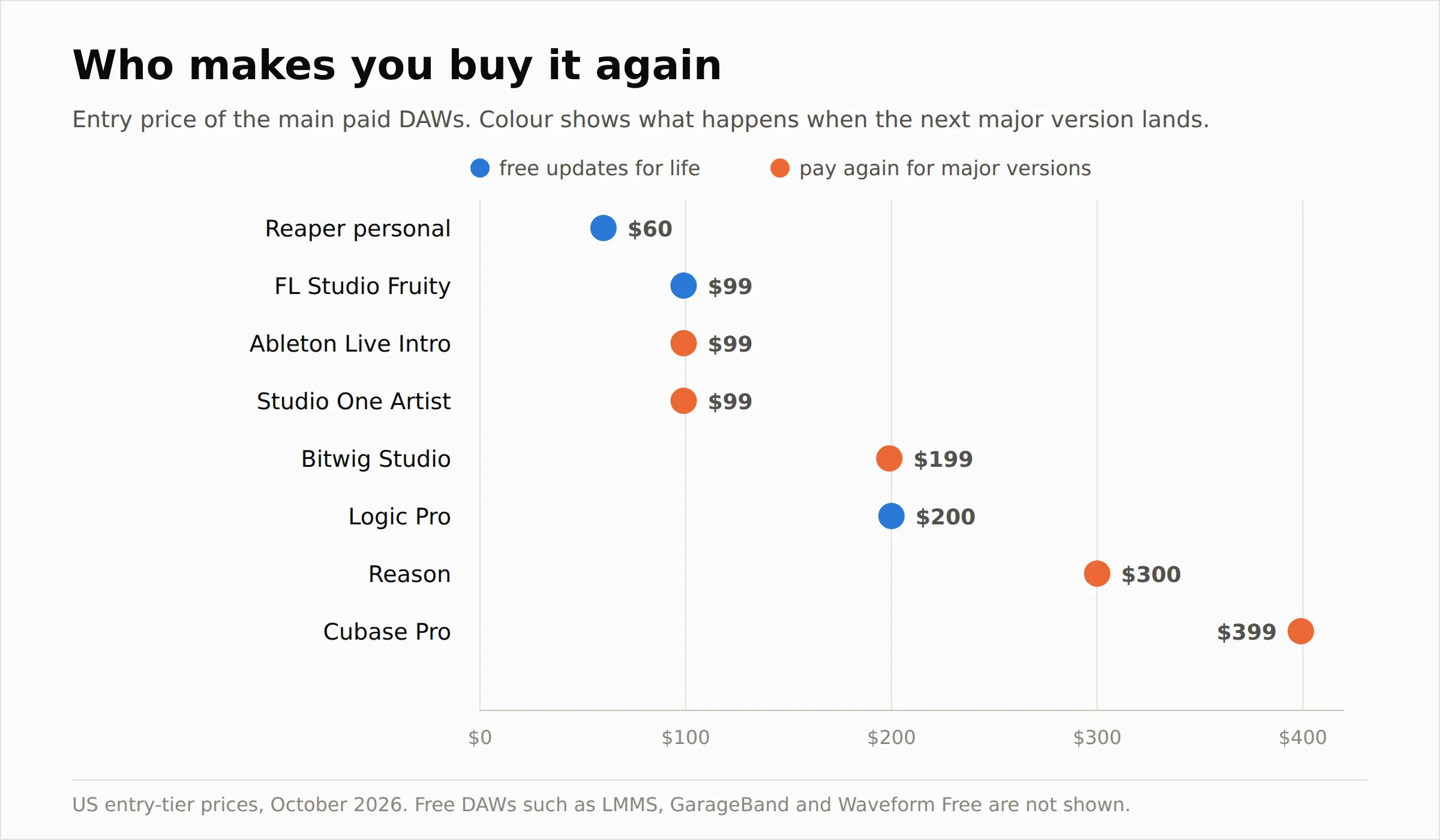 Reaper at $60, FL Studio Fruity at $99 and Logic Pro at $199.99 all let you keep updating without paying again.
Ableton Live from $99, Studio One Artist from $99, Bitwig from $199, Reason from around $300 and Cubase Pro from $399 all expect you to buy the next major version eventually.
That reframes the decision. If "I never want to pay for this twice" is why you are hesitating, you have three options rather than one, and two of them are cheaper than FL Studio.
Pro Tools sits outside the chart entirely because it is subscription only rather than a one-time purchase, running from $9.99 a month on Artist to $99 a month on Ultimate. If owning a perpetual licence is the point, that is the one to rule out first.
One thing the chart cannot show is that paid major upgrades are not always expensive. Most vendors price them well below a new licence. The difference is that they are a decision you have to keep making, and with Reaper, FL Studio or Logic you never do.
The free DAW half these lists still recommend no longer exists
This is the other thing I would want to know before trusting any roundup on this topic.
Cakewalk by BandLab was the standard answer to "what is a free professional DAW for Windows" for years. It is gone. Cakewalk's own FAQ states it ceased to operate after 1 August 2025.
What replaced it is Cakewalk Sonar, and the model changed with it. Sonar is free to use, but the FAQ is explicit that the fully unlocked versions of Sonar and Cakewalk Next are available only through a paid BandLab Membership. So the free tier is now a limited tier rather than the whole product.
That is not a reason to avoid it. It is a reason to distrust any list that still describes Cakewalk as a free full-featured DAW, because that list has not been checked since 2025.
The best FL Studio alternatives, one by one
I have grouped these by what you are actually trying to do, because someone making hip hop beats in a bedroom and someone scoring video are not shopping for the same thing. Several are free, so if you came looking for the best free alternative to FL Studio, numbers 9 through 11 are where to go.
1. Reaper
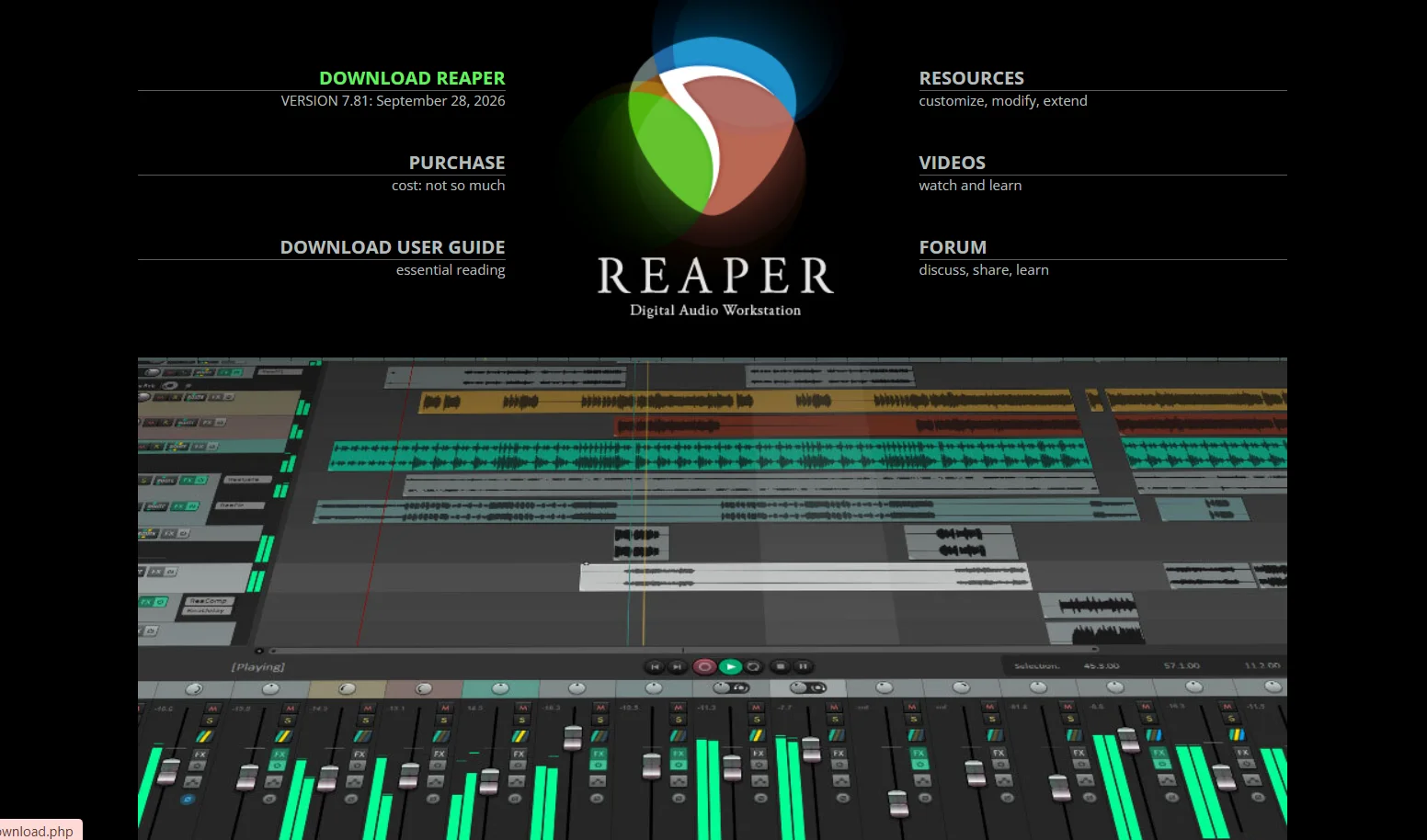 The one I would try first if budget is the issue. Sixty dollars for a personal licence, updates free through 8.99, and a fully functional unlimited evaluation period that runs on the honour system.
It does everything, runs on almost anything including Linux, handles VST and AU plugins, and is famously light on CPU with low latency through most any audio interface. The trade is that it ships with thin stock plugins and expects you to configure it. Producers who like tinkering love it. Producers who want to open a box and make a beat often bounce off it.
2. Ableton Live
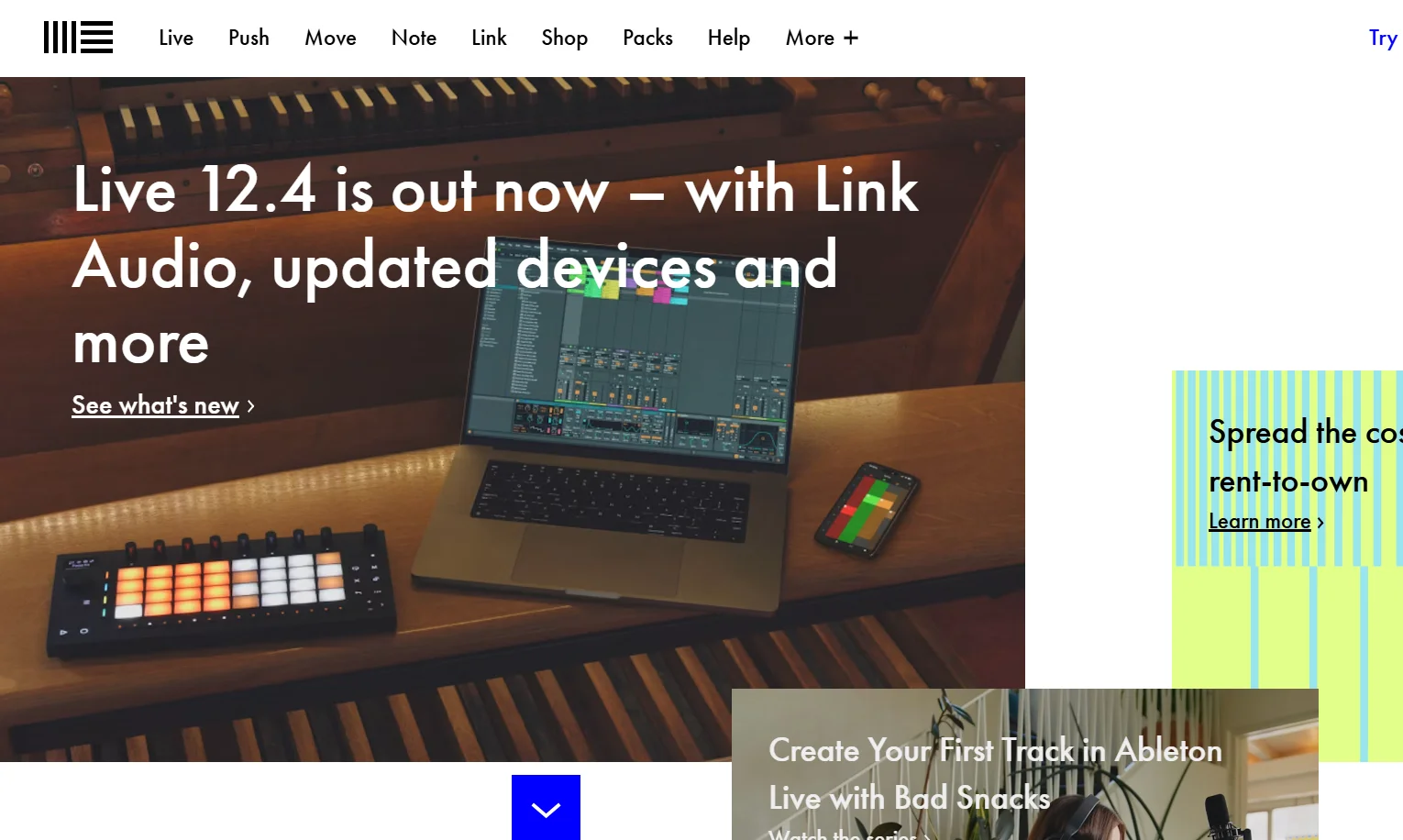 The usual destination for FL Studio refugees making EDM and other electronic music. Session View is genuinely different from anything FL Studio does, built around launching clips and improvising arrangements rather than drawing them in. Its sampler and stock instrument collection are strong, particularly on Suite.
It runs $99 for Intro up to $749 for Suite, and major versions cost money. The price is the real objection, and rent-to-own options exist for a reason.
3. Logic Pro
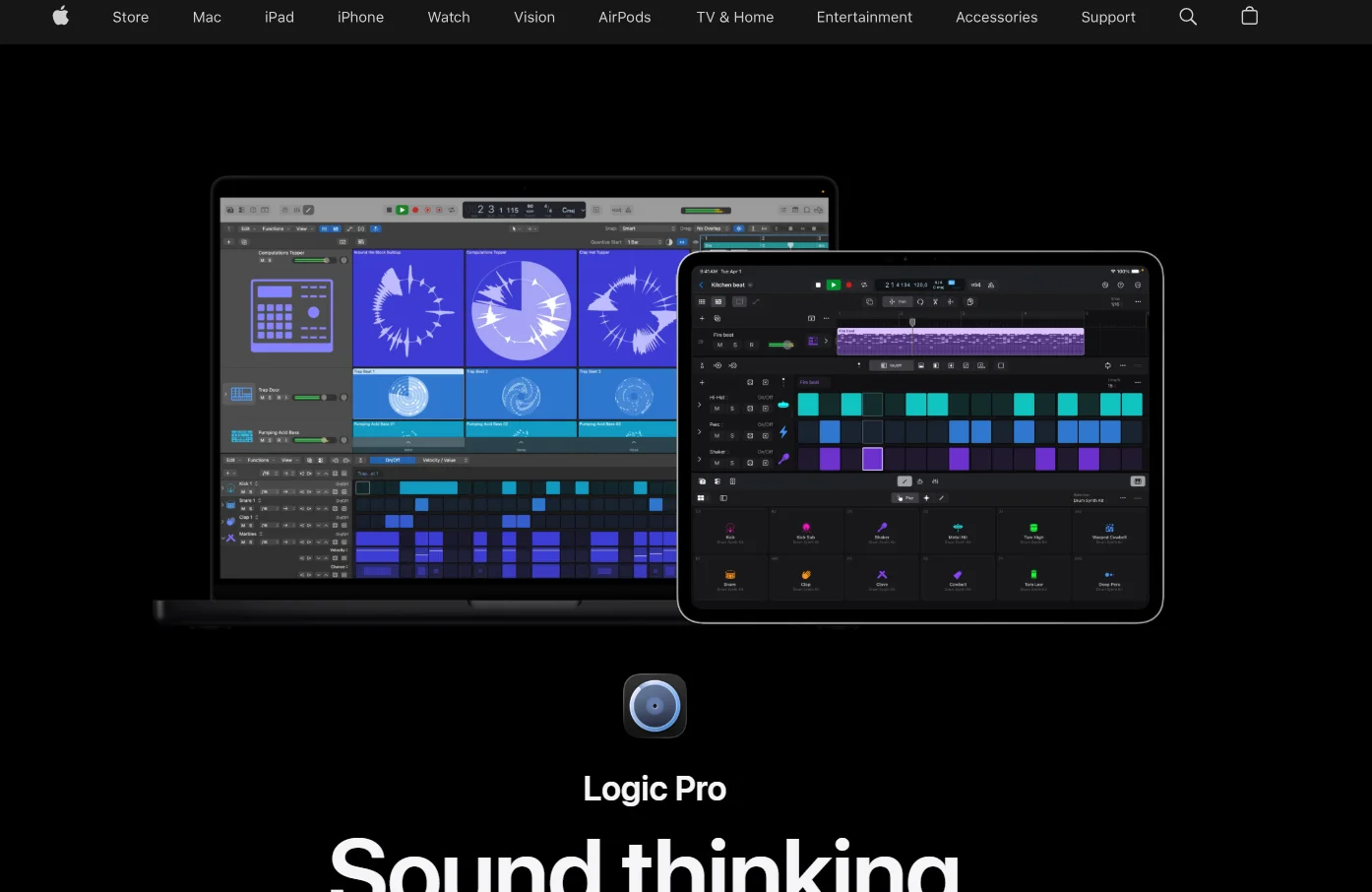 If you are on a Mac, this is the value pick and I think it is badly underrated in these comparisons. Two hundred dollars once, free major updates, and a stock plugin and sound library collection that would cost more than that bought separately.
The catch is absolute: macOS only. No Windows version exists and none is coming.
4. Studio One
 The closest thing to a middle ground between FL Studio and a traditional linear DAW. Drag and drop everywhere, a strong arrangement workflow, and Artist at around $99 with Professional running $399 to $579.
Good for producers who also record audio, because its handling of live instruments is stronger than FL Studio's.
5. Bitwig Studio
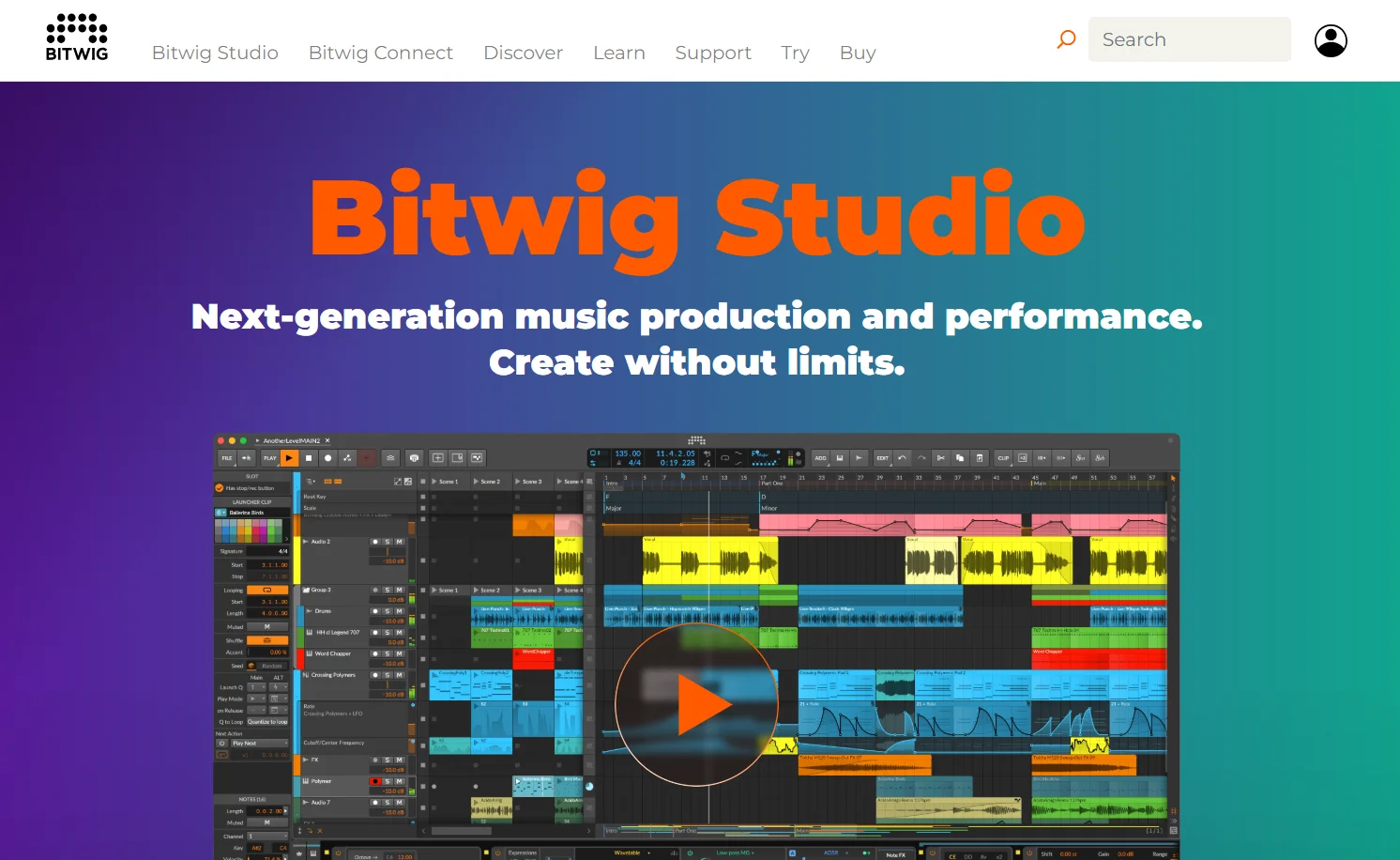 Built by former Ableton developers, and it shows. Similar clip-launching ideas, plus a modular sound design environment that goes deeper than anything in FL Studio.
Between $199 and $399, with paid upgrades. The pick for sound designers rather than arrangers.
6. Cubase
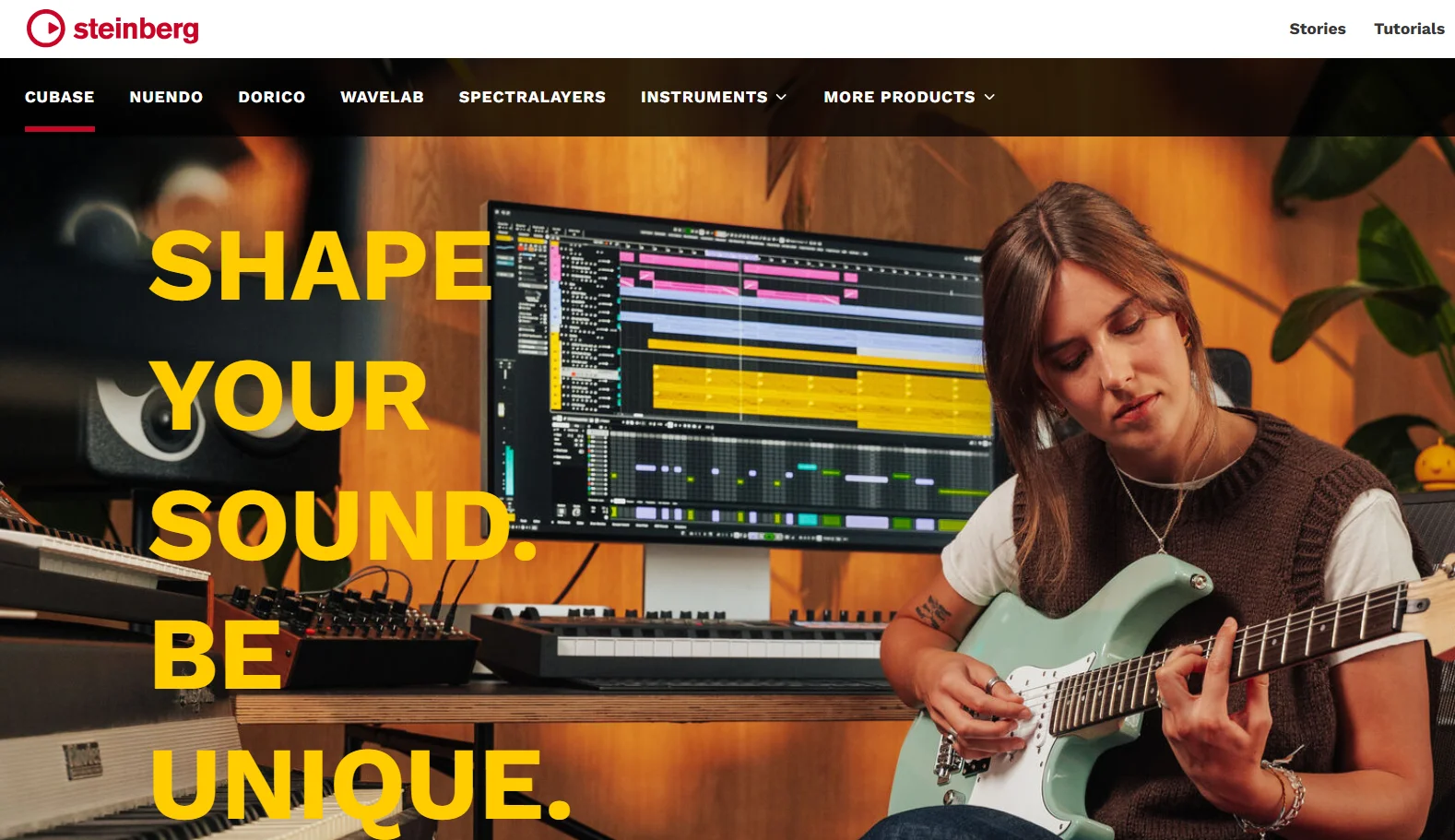 The old professional standard, and still the strongest on scoring, notation and large sessions. Pro runs $399 to $579.
It is the least FL Studio-like thing on this list, which is either the point or a reason to avoid it.
7. Reason
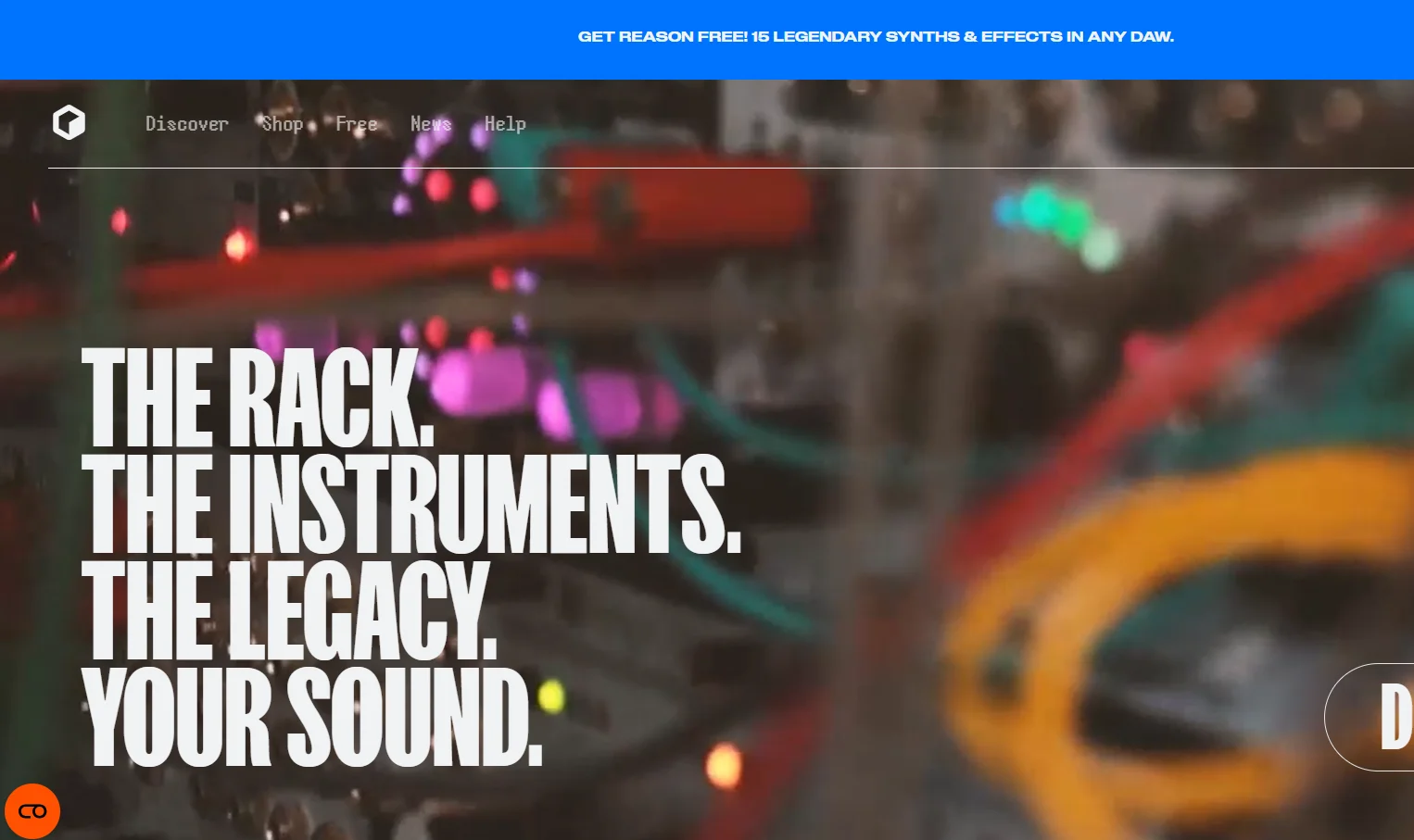 Worth knowing specifically for its rack, where you patch virtual hardware together with cables you can actually flip around and rewire. Nothing else feels like it. Around $300 to $600 for a full licence, with a subscription option.
8. Cakewalk Sonar
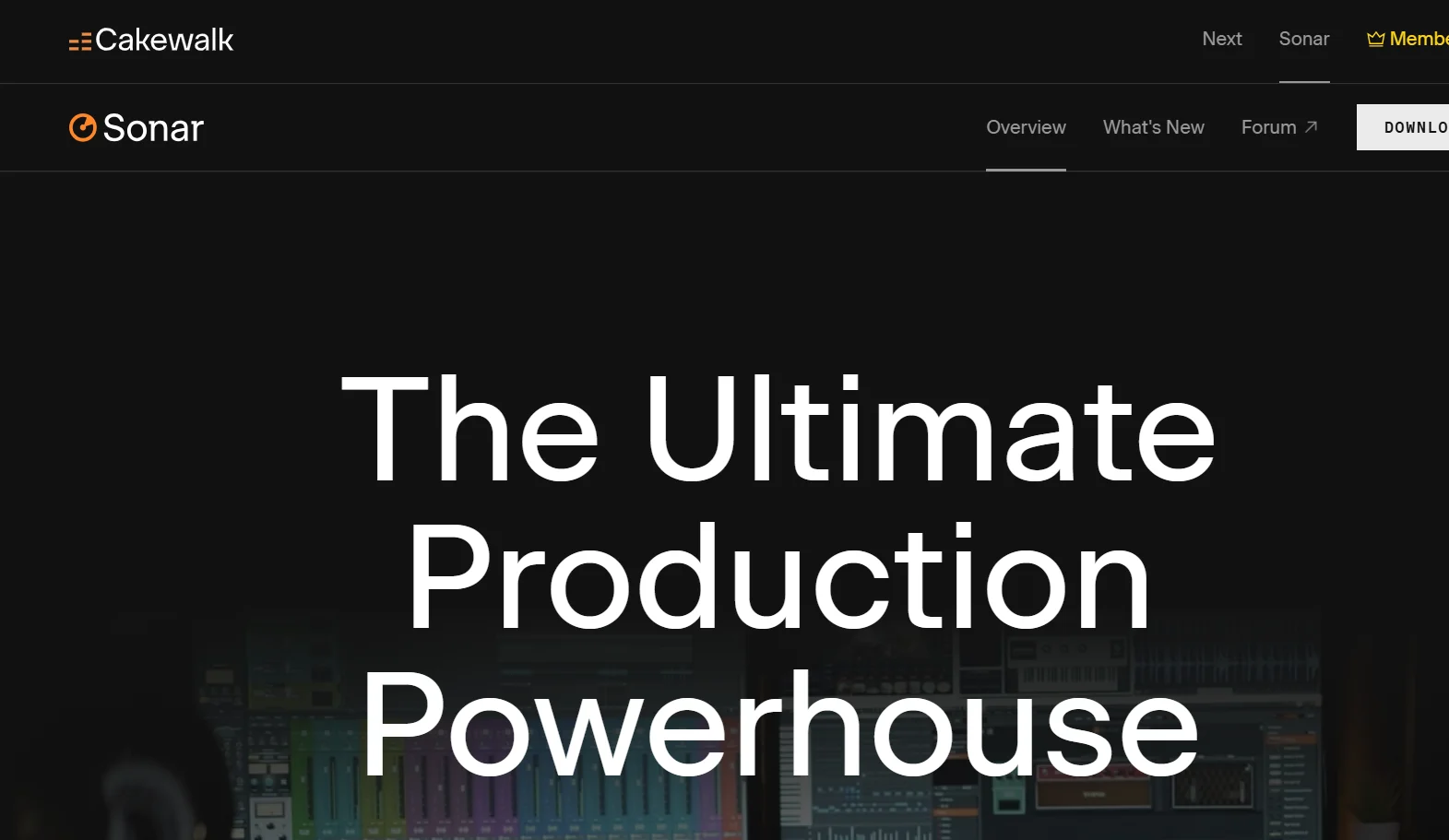 Free to start on Windows, with full features behind a BandLab Membership as covered above. Still a serious DAW with a long professional history, and still the strongest free-to-begin option on Windows.
9. LMMS
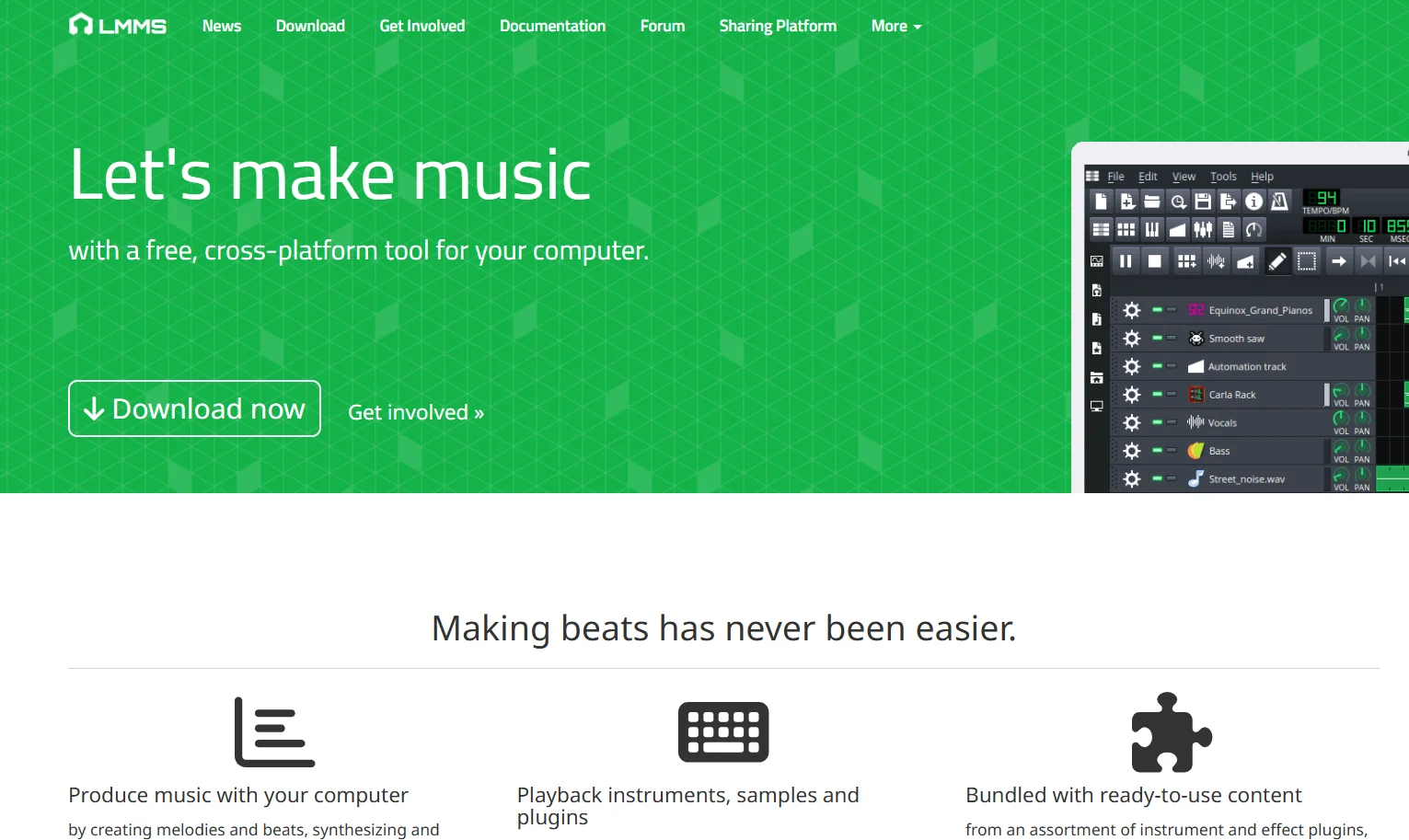 Free, open source, and the closest free thing to FL Studio's pattern-based workflow, which is not an accident given its origins. Runs on Windows, macOS and Linux.
It is not as polished and audio recording is weak. For making beats with virtual instruments and nothing else, it is remarkable for nothing.
10. GarageBand
 Free on every Mac, and the answer most Mac users overlook because it came preinstalled. It is a genuinely capable DAW with a clean upgrade path, since GarageBand projects open directly in Logic Pro.
11. Waveform Free
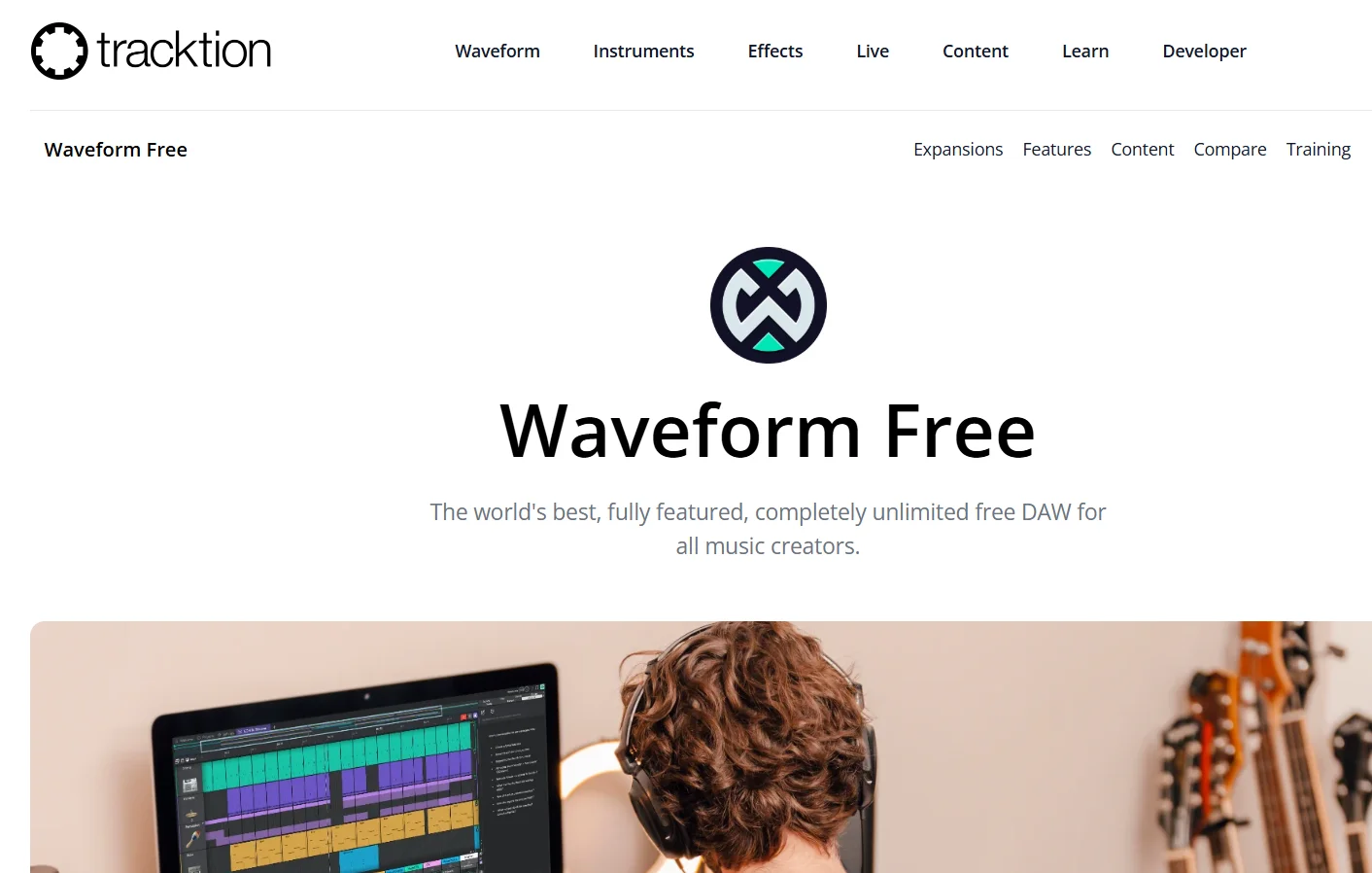 Tracktion's free tier is unusually generous, with unlimited tracks and no artificial crippling. Cross-platform including Linux. The interface takes adjusting to, which is the price of entry.
12. Pro Tools
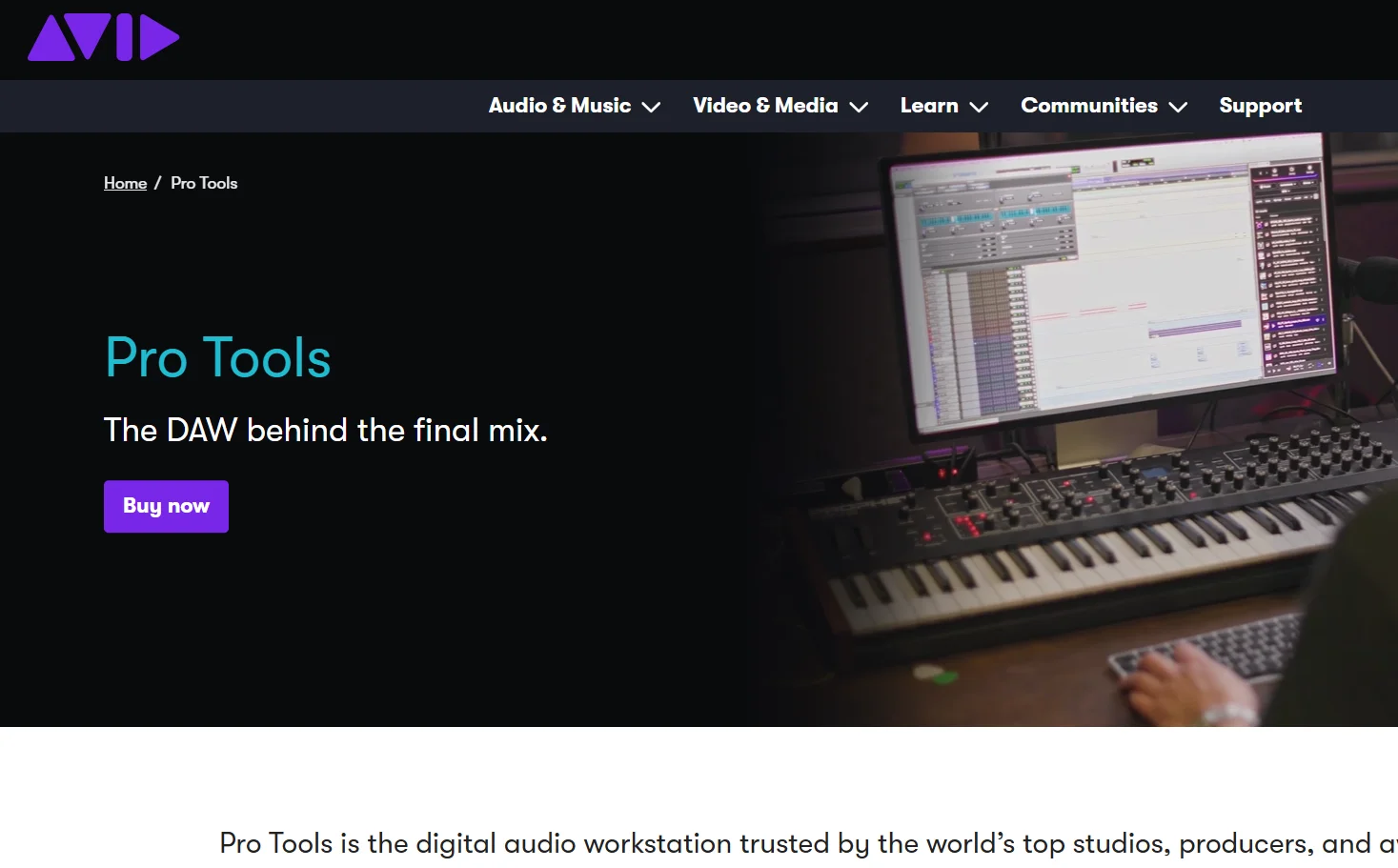 Included for completeness rather than recommendation for most readers. If you intend to work in commercial recording studios, this is the one they use. Subscription from $9.99 a month on Artist. For bedroom production it is the wrong shape and the wrong payment model.
Your projects do not come with you
I would say this plainly before you commit to a switch, because it catches people out.
There is no universal project file format. An FLP file opens in FL Studio and nowhere else. Your arrangement, your automation, your mixer routing and your VST settings all live inside that project file, and none of it transfers.
What does transfer is audio. Export stems, meaning each track bounced as its own audio file from the same start point, and you can rebuild a session anywhere. You lose the ability to edit the parts, but you keep the performance.
MIDI transfers too, so your note data survives even when the instruments playing it do not.
What I would do is leave old projects where they are, keep FL Studio installed since you own it permanently anyway, and start new work in the new DAW. Trying to migrate a back catalogue is how people give up in week two.
Which one feels closest to FL Studio
If workflow familiarity matters more than anything, the ranking is different from the value ranking, and the usual head to head questions miss the point.
FL Studio vs Ableton, FL Studio vs Logic Pro, FL Studio vs Reaper, FL Studio vs Studio One, FL Studio vs Bitwig and FL Studio vs Cubase all have the same answer underneath: they are not better or worse, they are built on different assumptions about how a track gets made.
LMMS is closest by design, since it was built in that image. Studio One is the closest commercial option, because drag and drop is central and the piano roll is strong. Bitwig and Ableton share the clip-based thinking but arrange differently enough to need relearning.
Reaper, Cubase and Pro Tools are the biggest adjustments, because they come from a recording tradition rather than a sequencing one.
I would be honest that no DAW feels like FL Studio except FL Studio. If the step sequencer is how your brain works, the strongest argument in this whole article is that you already own lifetime updates and could simply stay. For a broader sense of how I compare software in a category, I used a similar approach in my roundup of WhatsUp Gold alternatives.
Frequently asked questions
What is the best FL Studio alternative?
Reaper if you want cheap and powerful, Logic Pro if you are on a Mac, Ableton Live if you make electronic music and want the clip-based workflow, and LMMS if you want free and familiar.
Is there a free alternative to FL Studio?
Several. LMMS is the closest in workflow, GarageBand is free on any Mac, Waveform Free is cross-platform and uncrippled, and Cakewalk Sonar is free to start on Windows with paid features behind a membership.
What is the best free DAW?
On Mac, GarageBand, because it is genuinely capable and upgrades cleanly to Logic. On Windows, Cakewalk Sonar for depth or LMMS for a familiar pattern-based workflow. Waveform Free if you want the same thing on Linux too.
Is FL Studio worth it, and why is FL Studio so expensive?
The sticker price looks high because you are buying every future version at once rather than renting. If you use the pattern workflow and plan to keep producing for years, the lifetime updates make $99 to $449 good value. If you are unsure you will stick with it, start with something free.
Does FL Studio really have lifetime free updates?
Yes. Image-Line's own page confirms every update for your edition is free permanently, and FL Studio 2026 arrived free for existing owners. Logic Pro and Reaper offer comparable deals, which most comparisons leave out.
Which DAW is closest to FL Studio's workflow?
LMMS among free options, since it was modelled on it. Studio One among paid options, because of its drag and drop approach and strong piano roll.
Can I open FL Studio projects in another DAW?
No. FLP files only open in FL Studio. Export stems as audio and MIDI to rebuild a session elsewhere, accepting that mixer settings and plugin states do not travel.
Is Ableton better than FL Studio?
Different rather than better. Ableton's Session View suits improvisation and live performance, FL Studio's pattern workflow suits building tracks from loops. Ableton costs more and charges for major versions.
What is the best DAW for beginners, and the easiest DAW to learn?
GarageBand on Mac, because it is free and forgiving and probably the easiest DAW to learn full stop. On Windows, FL Studio's own trial or LMMS, since both use the pattern approach beginners tend to find most intuitive.
What is the best DAW under $100?
Reaper at $60 is the clear answer, and it is not a cut-down version. FL Studio Fruity, Ableton Live Intro and Studio One Artist all sit at $99, so the sub-$100 bracket is better served than most people expect.
How do I switch from FL Studio to another DAW?
Install the new one alongside rather than instead, since your FL Studio licence does not expire. Export stems and MIDI from any project you want to carry over, then start fresh work in the new DAW rather than migrating your back catalogue.
Is Logic Pro better value than FL Studio?
On a Mac, arguably yes. Two hundred dollars once with free major updates and a large stock library beats most editions of FL Studio on paper. FL Studio wins if you need Windows, since Logic does not run on it.
What is the cheapest professional DAW?
Reaper at $60 for a personal licence, and it is not a cut-down product. The full feature set is there, which makes it the best value in this entire category.
Is Cakewalk still free?
Partly. The old free Cakewalk by BandLab stopped operating on 1 August 2025. Cakewalk Sonar replaced it and is free to use, but full features require a paid BandLab Membership.
What DAW do professional producers use?
All of them. Pro Tools dominates commercial recording studios, Ableton dominates electronic and live performance, Logic is everywhere on Mac, and plenty of chart records were made in FL Studio. The tool is not what makes the record.
Is there an FL Studio alternative for Linux?
Yes. Reaper, LMMS, Waveform Free and Ardour all run natively on Linux, which is more than FL Studio itself offers.
What I would install tonight
If you just want to make something without spending money, install LMMS on Windows or open GarageBand on your Mac. Both are free and both will tell you within an evening whether the problem was FL Studio or something else.
If you have decided to spend, download Reaper. The evaluation period is unlimited and the licence is $60, so you can find out properly before paying anything.
And if you already own FL Studio, I think the strongest case in this whole article is for staying put. You bought updates forever.
Most of the alternatives will ask you for money again in three years, and the only two that will not are Reaper and, on a Mac, Logic. For a sense of how differently software pricing models play out over time, I went through one in my breakdown of Convex pricing.