


I Test Login Flows for a Living, So a Broken One Actually Bothers Me.
I was trying to log into a sentence builder tool the other day and genuinely couldn't find the sign-in page. The homepage had a big "Get Started" button, which took me straight to a signup form even though I already had an account.
I spent a solid minute hunting for the actual sign-in link before I found it tucked into the top right corner in tiny text.
I test software for a living, so a bad login flow isn't just an annoyance to me, it's a specific, nameable failure. I decided to actually look at what separates a login that works from one that quietly frustrates people every single time. Here's what I found.
Where the Login Actually Lives
Most sentence builder tools keep the login in the top right corner of the homepage. Look for something labeled Sign In, Log In, or My Account.
If you signed up through Google, use the "Sign in with Google" button specifically. Don't try typing your Google password into a regular field, that won't work, and it's a mistake I've watched more than one person make before realizing the button was sitting right there.
If you can't find a login at all, look for "Get Started" or "Try for Free" instead. Some tools merge login and signup into a single flow, and you have to go through the motions to reach the sign-in option buried inside it.
What a Login Actually Unlocks
This is what most people actually want to know once they're through.
Signing in takes you to your dashboard, where everything you've done previously lives, exercises, progress, word lists, settings. All of it should pick up exactly where you left off.
If it's your first login after creating a new account, the dashboard will be empty. That's expected, not broken, it fills in as you use the tool.
Account type changes what you see too. A free account gives you the basics, some exercises, some word categories, enough to understand what the tool does without the full experience. A paid account unlocks everything, more exercises, deeper customization, and often the ability to build your own word sets. If you're trying to figure out whether the paid tier is actually worth it, what sentence builders actually are breaks down what the underlying practice is training in the first place, which helps clarify what you'd actually be paying for.
The login is literally what tells the system which version to hand you, log in with a free account and you see the free version, upgrade and the exact same screen suddenly has more in it.
Testing What a Good Login Actually Does
Here's the part I kept coming back to across every tool I tried.
A good login does three things reliably. It loads fast. It doesn't ask for information you haven't provided yet. And it remembers you the next time you show up.
A bad one does the reverse. Slow load times, too many required fields, and a session that quietly expires without explanation, so you come back and feel like your progress vanished even when it technically didn't.
That last one matters more than it sounds like it should. Trust gets built in small moments, and the login is usually the first one a user hits. If it fails silently, people assume the whole tool is unreliable even when the actual data was fine the entire time.
Google sign-in, when available, sidesteps a lot of this. Click, choose your account, and you're in, no new password, no confirmation email. I use it whenever it's offered, not out of laziness, but because remembering a unique password for every tool I've tested over the years stopped being realistic a long time ago.
 For classrooms specifically, this is a real quality-of-life improvement, since students already use school Google accounts daily, and one less login to manage is one less reason to fall behind.
Different Accounts, Different Jobs
Not everyone logging into the same tool is there for the same reason, and the account structure usually reflects that.
Students typically get basic accounts, they log in, complete exercises, and their progress gets tracked, sometimes visible to a teacher or parent depending on the platform.
Teachers get more control, creating classes, assigning specific exercises, and monitoring individual students without chasing each one down directly.
Solo learners sit in between, full control over their own experience without classroom management features they'd never use anyway. Knowing which category actually fits your situation before signing up saves real confusion down the line.
Cross-Device Sync Is No Longer Optional
One thing I genuinely appreciate about modern tools in this space is that your account travels with you. Log in on a laptop at home, a tablet at school, a phone on the bus, same account, same progress, same word lists everywhere.
That wasn't always true. Older learning software often tied everything to a single device, switch computers and you started from zero. If you're choosing a tool for a classroom or a student using multiple devices, confirm this works before committing, I tested how several apps actually handle this in my sentence builder app breakdown, most modern tools support it, but not all of them do despite claiming to.
Common Problems and the Actual Fixes
A handful of issues come up repeatedly, worth running through directly.
Forgot your password, use the forgot password link on the sign-in screen, and check your spam folder if the reset email doesn't show up within a couple of minutes. Confirmation email never arrived, same fix, check spam first, then look for a resend option on the signup page.
Google sign-in not working usually traces back to a browser cookie issue, try a different browser or check whether third-party cookies are blocked in your settings. Logged out unexpectedly is typically just a session timeout after inactivity, a security feature, not a bug, log back in and your data should still be there.
None of these are unique to sentence builder tools specifically. They're standard login issues, and the fixes are almost always the same ones you'd apply anywhere else online.
Is It Actually Safe to Sign Up
Worth checking before handing over your email anywhere.
Look for HTTPS in the address bar, that means the connection is encrypted, and any legitimate tool should have it. Check the privacy policy for language about selling data, you don't need to read the whole document, searching for the word "sell" usually surfaces what matters quickly.
If you're signing up a child under thirteen, look for COPPA compliance on US-based platforms, it means the service is held to a stricter standard around collecting data from minors. And generally, a tool that's been around a while with real user reviews is a safer bet than something that launched last month with no track record behind it.
Logging Out Properly, and Turning On 2FA
This is the part people skip, then regret.
On a shared computer, always log out properly rather than just closing the tab, find the account menu and click log out directly. Most tools keep you signed in automatically otherwise, meaning the next person on that browser could land straight in your account.
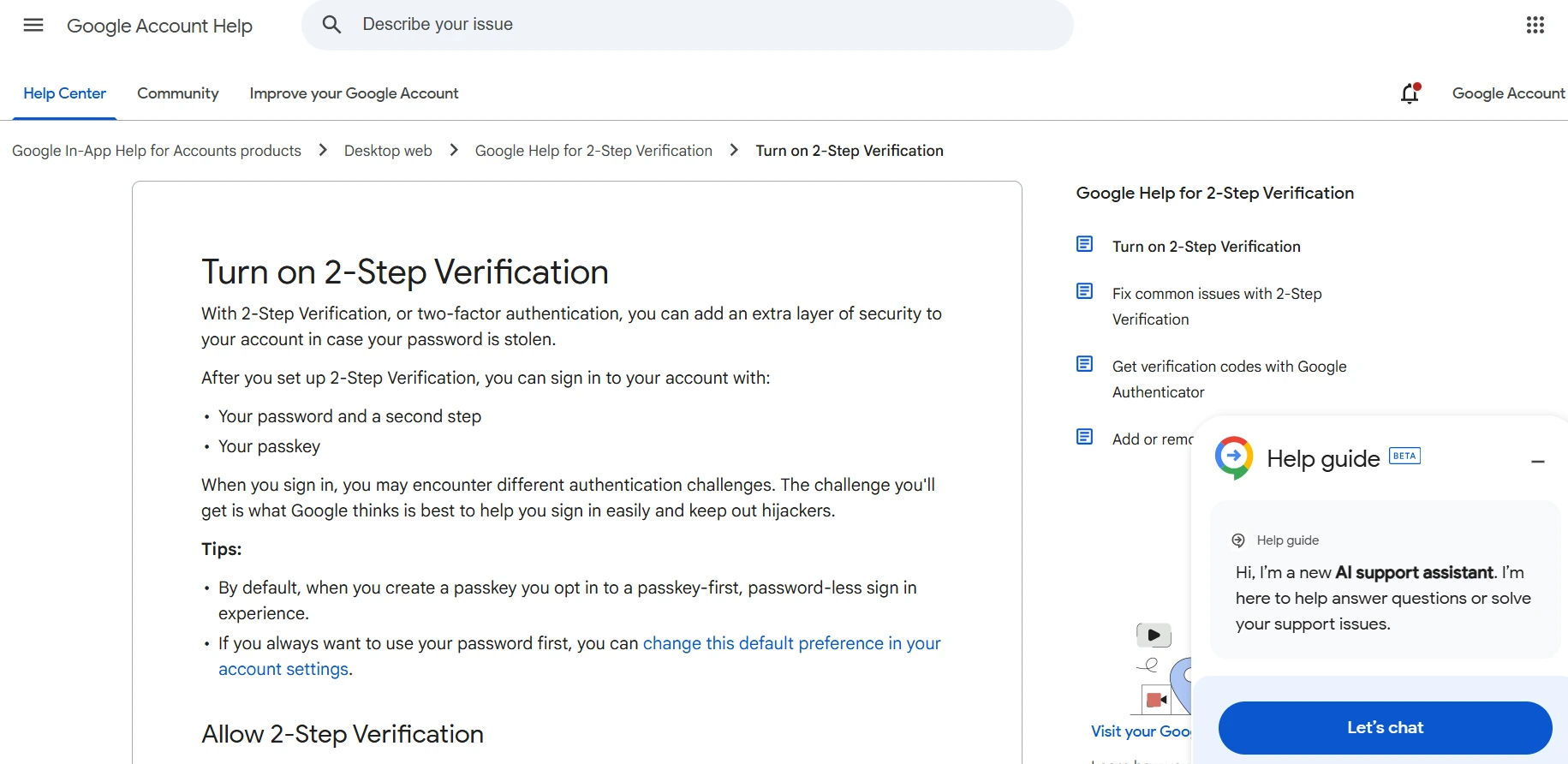
If two-factor authentication is offered, turn it on. It takes about ten seconds to set up, and the payoff is real, a Microsoft study of Azure Active Directory accounts found that MFA reduced account compromise by over 99 percent, even when the password itself had already leaked. That's not a small security theater gesture, it's one of the more effective controls that exists right now.
The Verdict on Something Nobody Gets Excited About
Nobody opens a browser thinking about sign-in flows. But I spent real time with this and came away appreciating what it's actually doing.
The login is what turns a generic tool into yours specifically. It saves your progress, connects your work across devices, and controls exactly what you see once you're inside. A good one is invisible, you don't notice it because it just works. A bad one reminds you it exists every single time you try to use the tool.
Once you're actually in and want to build a real habit around it rather than just logging in occasionally, how to use sentence builders covers the daily routine that actually makes the practice stick.
Frequently Asked Questions
Where is the login page for a sentence builder tool?
Usually the top right corner of the homepage, labeled Sign In or Log In. If you only see Get Started, click through, the sign-in option is often nested inside that flow.
I forgot my password. What do I do?
Use the forgot password link on the login screen. A reset email should arrive within a couple of minutes, check spam if it doesn't.
Can I log in with Google?
Most modern tools support it. Look for the Sign in with Google button and use that rather than typing your Google password manually into a regular field.
Why does the tool keep logging me out?
Sessions expire after a period of inactivity as a security measure. It's normal, just log back in, your progress should still be there.
Can I use the same account on multiple devices?
Yes, on modern cloud-based tools. Log in on a laptop, phone, or tablet and your progress and word lists sync automatically across all of them.